
Vinyl Fence Discoloration: Causes and Cleaning Options
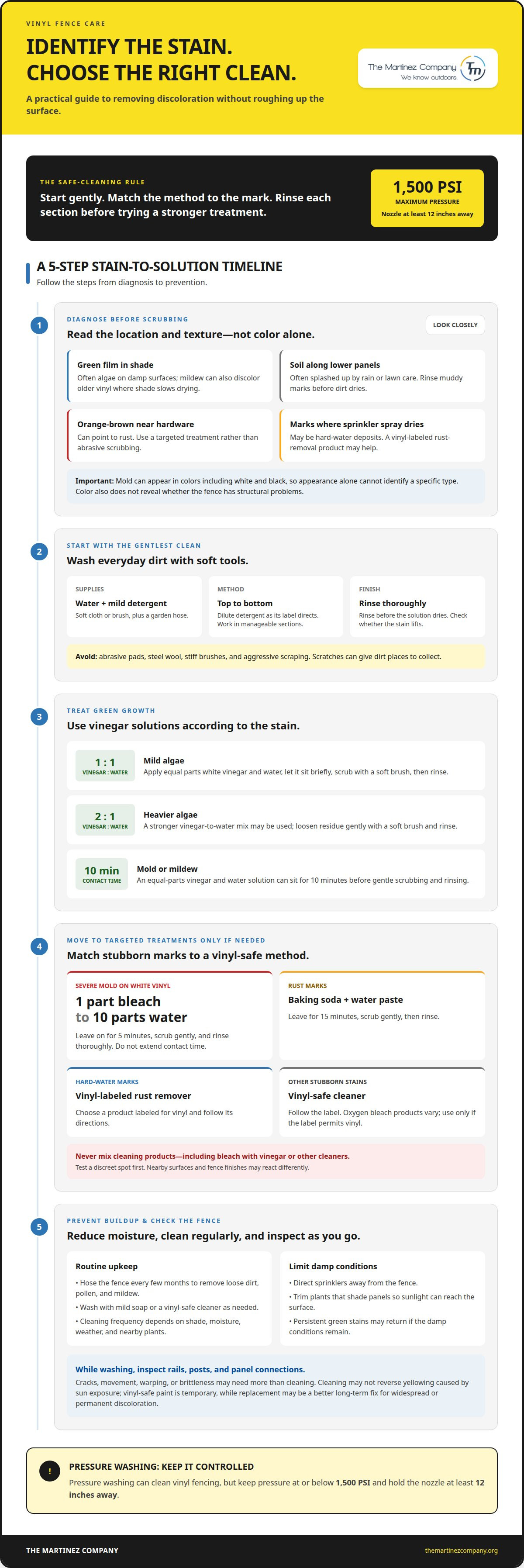
Pressure washing can clean a vinyl fence, but keep the pressure at or below 1,500 PSI and hold the nozzle at least 12 inches away. The main causes of vinyl fence discoloration include algae, mildew, dirt, hard-water marks, and sun exposure, and the right fix depends on the stain.
Vinyl’s low-maintenance reputation doesn’t mean stains never appear. Green growth can develop in damp, shaded areas, while other marks call for a different cleaning method. Learn how to identify common vinyl fence discoloration causes and fixes, choose suitable supplies, and clean without damaging the surface. We’ll also explain when pressure washing may make sense and how routine upkeep helps keep a fence looking clean.
Table of Contents
1. Tools and Supplies Needed to Clean a Vinyl Fence
Start with water, mild detergent, a soft cloth or brush, and a garden hose. Dilute the detergent according to its label, then wash a small section, working from top to bottom so loosened dirt doesn’t streak clean panels. Rinse thoroughly before the solution dries. Vinyl is durable, but abrasive pads can scratch the surface and give dirt places to collect.
For heavier grime, a simple mixture of white vinegar, warm water, and a little dish soap may help. Use a soft brush to loosen residue instead of scraping aggressively. For stubborn stains, choose a cleaner labeled safe for vinyl and follow its directions. Oxygen bleach products vary, so use one only if its label permits vinyl surfaces. Never mix cleaning products.
Make cleaning part of a simple routine: hose the fence every few months to remove loose dirt, pollen, and mildew, then wash it with mild soap or a vinyl-safe cleaner as needed. How often it needs cleaning depends on shade, moisture, weather, and nearby plants. A damp, shaded section may need attention sooner than a sunny, exposed panel. Vinyl isn’t maintenance-free, and regular cleaning helps prevent buildup.
As you clean, inspect rails, posts, and panel connections for cracks, movement, or warping. Work on manageable sections, rinse each one, and see whether stains lift before trying a stronger solution. Vinyl is less porous than wood, so dirt generally stays on the surface. Persistent discoloration may need a targeted cleaner, not more forceful scrubbing.
Professional cleaning, restoration, or replacement costs depend on the fence’s condition, materials, labor, and project scope; pricing is provided after a quote request.
Discoloration isn’t automatically covered by a manufacturer’s warranty. Coverage and exclusions depend on the warranty terms and the cause of the discoloration; improper installation can void coverage.
2. What causes a white vinyl fence to turn green?
Green marks often indicate algae growing on a damp surface. Mildew can also discolor older vinyl, especially where shade slows drying. Check the pattern: a green film along a shaded lower rail suggests moisture-related growth, while isolated marks may come from splashes or runoff. Color can help identify a stain, but it doesn’t reveal whether the fence has structural problems.
Vinyl is less porous than wood, so algae and mildew typically grow on its surface rather than inside the material. Sections near dense shrubs, trees, or persistently wet ground may stay damp longer. Direct sprinklers away from the fence and trim plants that shade the panels to let sunlight reach the surface and reduce conditions that encourage regrowth.
Start with the gentlest suitable cleaner. For mild algae, apply equal parts white vinegar and water, let the solution sit briefly, then scrub with a soft brush and rinse. Heavier algae can call for two parts vinegar to one part water. For mold or mildew, an equal-parts vinegar and water solution can sit for 10 minutes before scrubbing.
Severe mold on white vinyl may require diluted bleach: use one part bleach to ten parts water, leave it on for five minutes, scrub gently, and rinse thoroughly. Don’t extend the contact time or use a stiff, abrasive brush. Test the method on a discreet area first, since nearby surfaces and fence finishes may react differently.
The U.S. Environmental Protection Agency notes that mold can appear in colors including white and black, so appearance alone cannot identify a specific type. Focus on removing visible growth and reducing persistent moisture. If green stains return in the same shaded strip, address the damp conditions as well as the surface stain; otherwise, cleaning may only help temporarily.
3. Is Vinyl Really the Easiest Fence to Maintain?
Vinyl resists routine moisture better than wood, but grass clippings, soil, and other debris can still build up on it. Rinse muddy lower panels before dirt dries, then use a soft brush and mild detergent on remaining marks. Work in small sections and brush gently rather than scraping. A stiff tool can damage the finish and leave scratches where grime can gather again.
For stubborn stains, start with a soft brush. Diluted bleach can treat tougher marks, but use it cautiously and rinse the panels thoroughly. Never combine bleach with vinegar or other cleaners. Check that the cleaner’s label says it is suitable for vinyl, and test an inconspicuous spot before treating a visible section. This careful approach can remove stains without damaging the surface.
Rust marks need a targeted method. Apply a paste of baking soda and water to the stain, leave it for 15 minutes, then scrub gently and rinse. For hard-water marks, a rust-removal product may help; choose one labeled for vinyl and follow its directions. Don’t use steel wool or abrasive pads, which can scratch the fence and make future cleaning harder.
Paint calls for a different approach. Vinyl-safe paint may cover yellowing, but the coating is temporary and needs repeating; it doesn’t restore the original surface. If discoloration is widespread or permanent, replacement may be a better long-term fix than repeated painting. Before painting, determine whether the color change comes from surface grime or sun exposure, since cleaning won’t reverse UV-related yellowing.
Vinyl is easier to maintain than materials that need regular staining, but it still needs care. Clean off grass stains and soil before they harden, and inspect rails and panels while washing. Extreme weather or existing damage can affect what cleaning can accomplish. Cosmetic stains may respond to careful treatment; warped, brittle, or cracked sections need more than a brush and cleaner.
4. Causes of vinyl fence dirt and discoloration
Start by matching the mark’s location and texture to its likely cause. Green film often signals algae on damp sections; dark or pale growth may be mold or mildew. The U.S. Environmental Protection Agency notes that mold can appear in colors including white and black, so color alone can’t identify it. Rust usually leaves orange-brown marks near metal hardware, while hard-water deposits often appear where sprinkler spray dries.
Ordinary dirt tends to collect along lower panels, where rain or lawn care splashes soil onto the fence. Compare those areas with cleaner sections higher up. If marks follow the sprinkler pattern, mineral-rich water may be leaving deposits. Redirecting the spray can reduce repeated wetting. To identify vinyl fence discoloration causes and fixes, consider both the stain’s appearance and the conditions where it forms.
Sun exposure creates a different pattern. Ultraviolet rays can yellow vinyl, and the color change may be difficult to remove even if it affects only the surface. Titanium dioxide in vinyl acts as a UV inhibitor, helping protect the material from sun damage. A chalky surface or broad fading across exposed panels points to weathering rather than a localized spill or soil buildup.
Oxidation-like chalking can leave a pale residue when you rub the surface. That differs from loose dirt, which usually rinses away, and algae, which appears as visible growth in damp areas. Check whether the discoloration is isolated or spread across several sections. The pattern helps clarify vinyl fence discoloration causes and fixes: localized stains may respond to treatment, while widespread chalkiness may resist cleaning.
Use the pattern to choose the next step: remove loose grime first, then address the likely stain source. If discoloration is extensive, permanent, or paired with brittle or warped panels, cleaning may not restore the fence’s appearance or condition. For a worn fence that needs replacement, explore vinyl fence installation as the next step toward a clean, consistent boundary.
The Martinez Company: Fence Installation
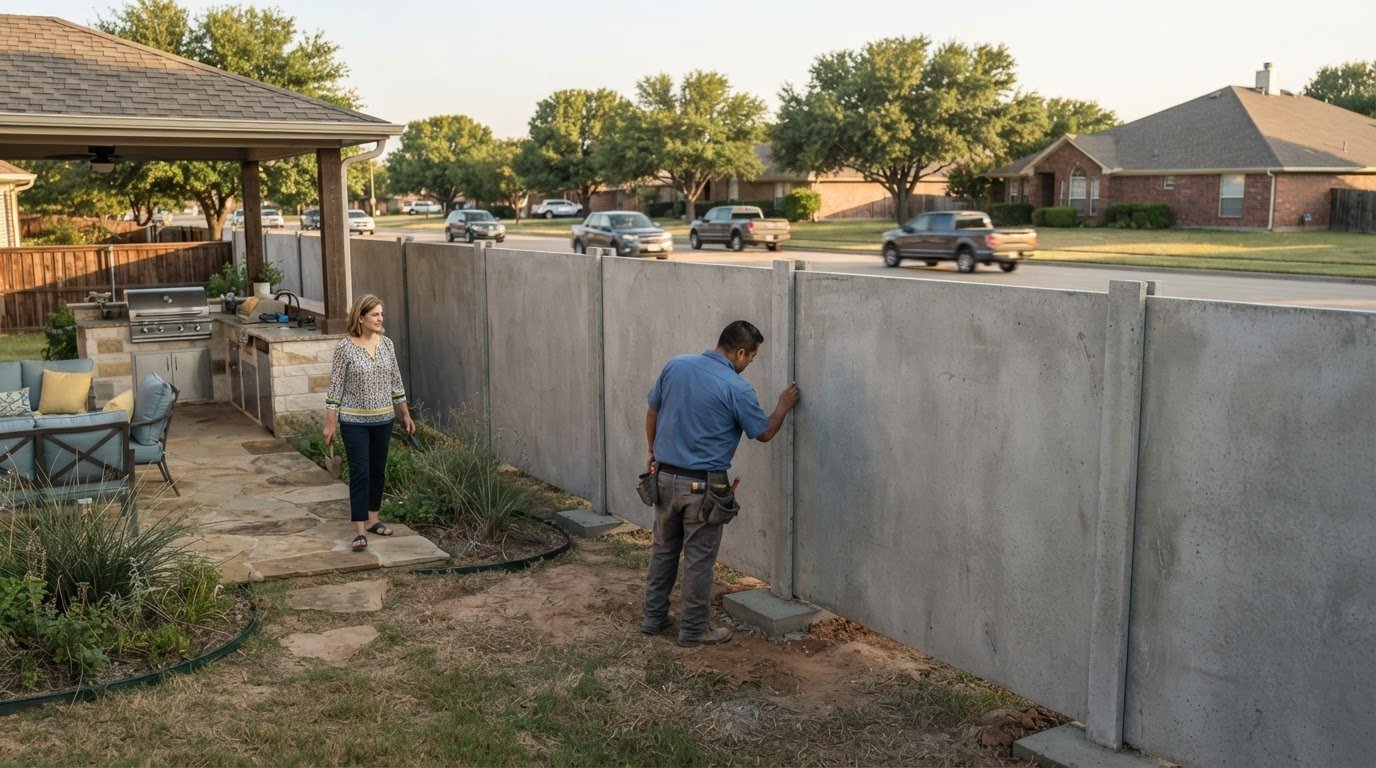
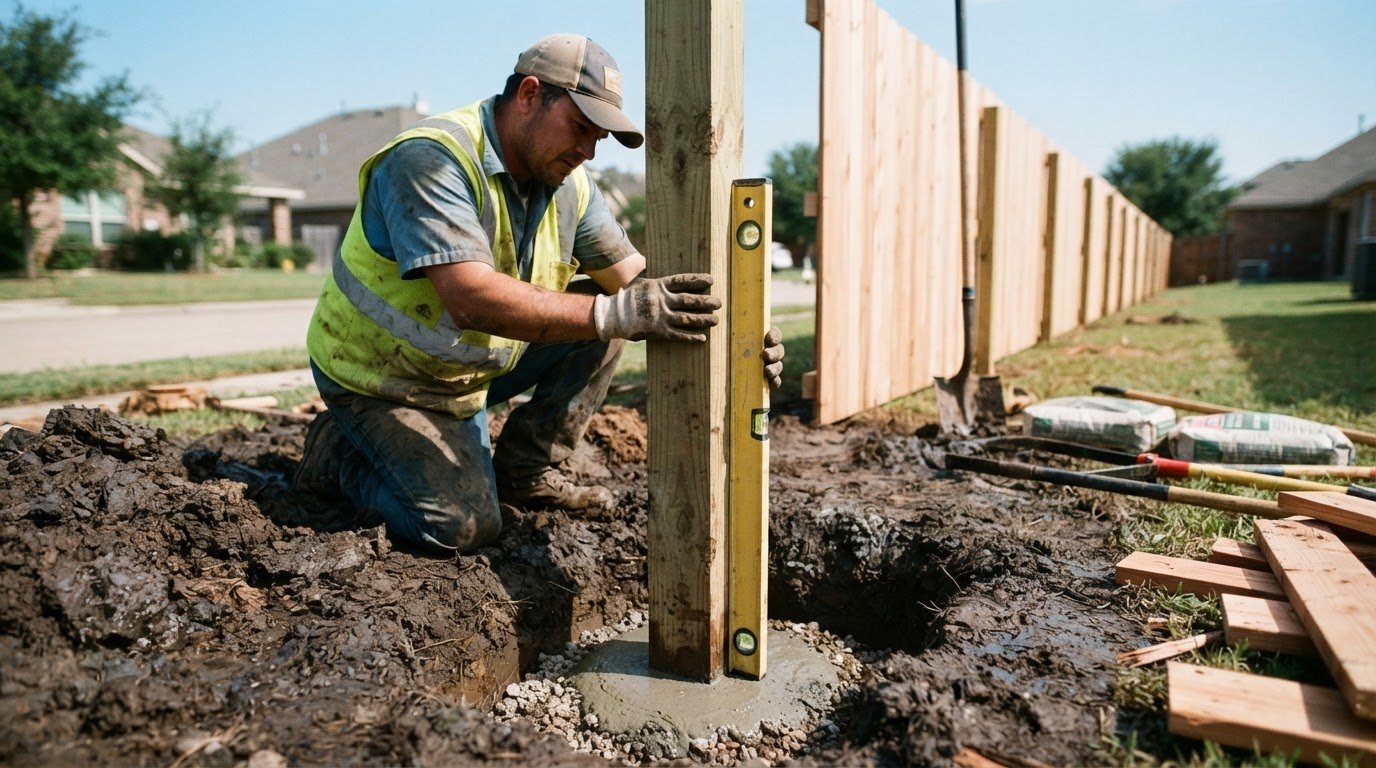
The Martinez Company installs fences for residential and commercial projects. If discoloration is widespread, panels are brittle or warped, or cleaning no longer restores the fence’s appearance, replacement may be the more lasting solution. The right installation can create a clear boundary that suits the property and how it is used.
Whether you’re planning a new fence or addressing worn fencing on a commercial property, The Martinez Company can help take the project from planning through installation. A fence can also complement a broader outdoor living space, creating a cohesive setting around the property.
Contact The Martinez Company to discuss your fence installation project.
Plan a Fence That Fits What Comes Next
Understanding vinyl fence discoloration causes and fixes can help you decide whether to keep maintaining the existing boundary or plan a new one. Think beyond the current stain: consider the privacy, appearance, and layout you want your outdoor space to support. A fence is part of the property’s overall design, shaping how the yard feels and functions every day.
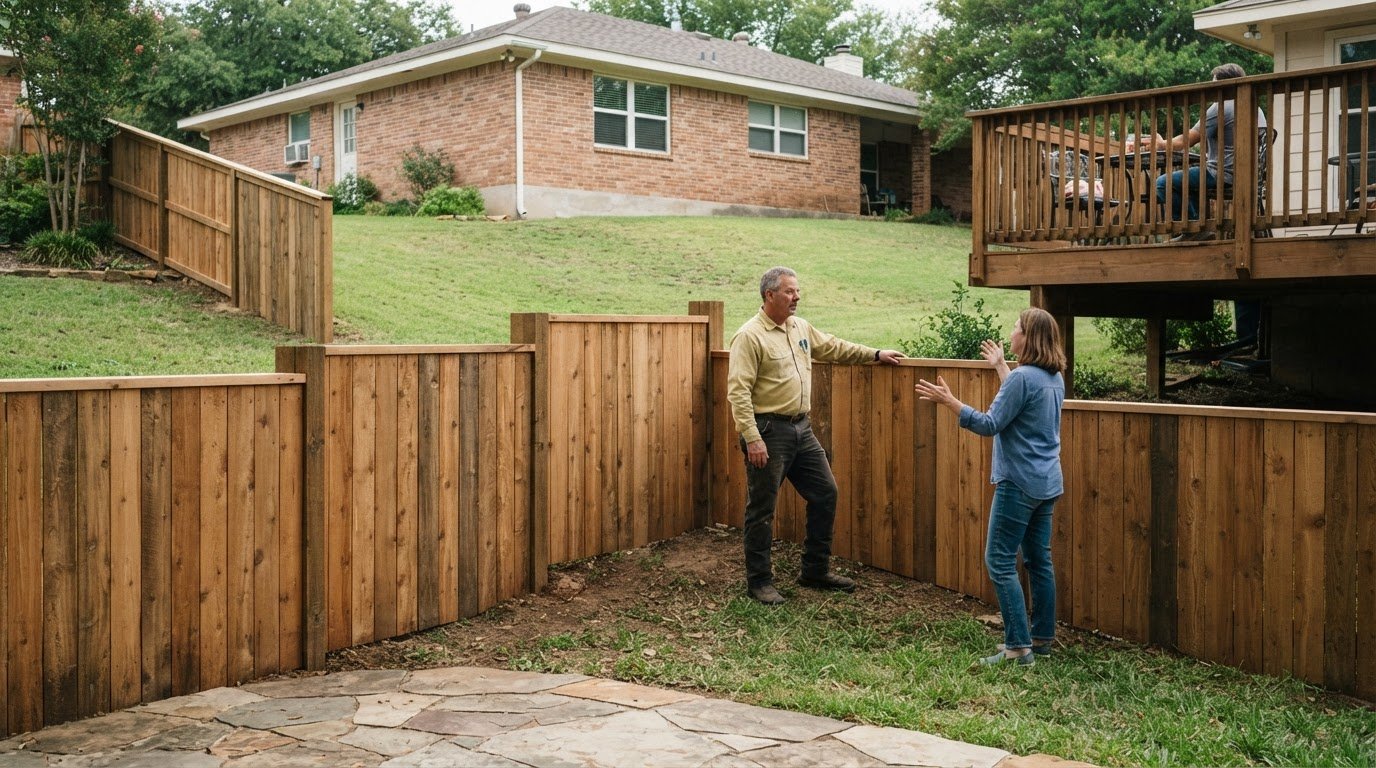
If you’re considering replacement, bring that broader vision into the planning conversation. The fence’s placement, the character of the surrounding space, and how you use the property can all guide the project. A clear starting point makes it easier to move from a maintenance concern toward an intentional finished result.
Start a conversation about your fence project with The Martinez Company. Take the next step when you’re ready to shape an outdoor space that works for you.
Frequently Asked Questions
Can I pressure wash a vinyl fence?
Yes, pressure washing is an option if you keep the setting at or below 1,500 PSI and hold the nozzle at least 12 inches from the fence. Move steadily across the surface instead of concentrating the spray in one spot. A wide fan tip spreads the water stream. For light dirt, a garden hose and soft brush are a gentler first choice.
What Tools and Supplies Do You Need to Clean a Vinyl Fence?
Gather a garden hose, bucket, mild detergent, and soft-bristled brush before starting. A microfiber cloth can help wipe narrow corners around posts and rails. Clean a manageable section, such as 8 to 10 feet, then rinse before moving on. This lets you see whether the cleaner is lifting the stain and prevents a large area from drying before rinsing.
Is Vinyl Really the Easiest Fence to Maintain?
Vinyl is low-maintenance, but it still benefits from regular washing and occasional inspection. A twice-yearly wash can help most vinyl fences stay in excellent condition for 20 to 30 years. Compare the panels after cleaning: persistent chalkiness, brittleness, or warping signals a different issue than ordinary grime. Addressing those signs early helps distinguish routine upkeep from a condition that needs more than washing.
Should You Actually Be Concerned About Your Vinyl Fence Fading Or Is It A Myth?
Fading is real: ultraviolet rays from sunlight can yellow vinyl, and the discoloration may be difficult to remove. Titanium dioxide in vinyl fencing acts as a UV inhibitor, helping protect the material from sun damage. Look for broad, even yellowing across sun-exposed panels rather than isolated marks. If washing doesn’t change the color, weathering may be the cause rather than removable dirt.
What causes a white vinyl fence to turn green?
Green discoloration commonly comes from algae growing where moisture lingers, while mildew can also stain older vinyl in shaded or damp locations. Look for recurring film near wet ground, dense shrubs, or sprinkler spray. Clean the affected area, then reduce persistent dampness by directing sprinklers away and trimming nearby growth. Addressing the moisture source can help limit repeat staining.
When Does Cleaning Stop Being Enough?
Cleaning may no longer be enough when discoloration is widespread or permanent, or when sun damage leaves the vinyl chalky. A few damaged panels may be replaceable, but new white sections can stand out against older, yellowed fencing. If several panels are brittle, warped, or faded, assess the whole fence’s appearance and condition before choosing between localized repairs and broader replacement.
Comments