
Outdoor Living Trends for 2026: Colors, Comfort and Fun
The best outdoor room in 2026 isn’t built around a single purpose. The outdoor living trends for 2026 bring together nature-inspired colors and materials, inviting places to gather, custom seating, and flexible layouts that shift with the day. The result is a backyard designed for more than one kind of moment.
A beautiful palette matters, but comfort and function matter just as much. You want a space that feels cohesive, supports everyday routines, and makes it easy to host friends or settle in for an outdoor movie night.
Explore how earthy tones, layered entertainment spaces, tailored seating, and adaptable zones are shaping outdoor design. You’ll see how these ideas can work together to turn an open yard into a more comfortable, versatile extension of home.
Table of Contents
Nature-inspired colors and materials
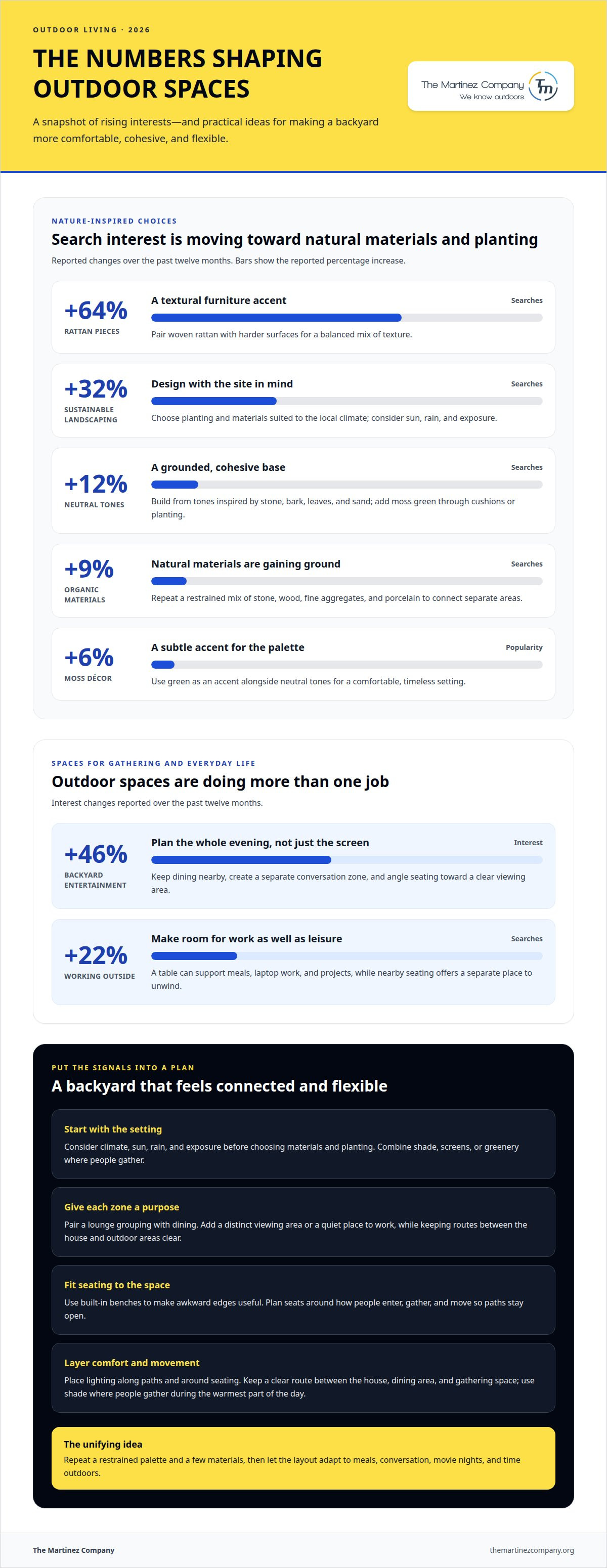
Nature-inspired colors give patios and decks a grounded look without making layouts feel heavy. Over the past twelve months, searches for organic materials rose 9%, moss décor gained 6% in popularity, and searches for neutral tones increased 12%. These shifts point toward palettes inspired by stone, bark, leaves, and sand. Use a neutral base, then add moss green through cushions or planting for a comfortable setting that still feels timeless.
For shade, privacy, and weather protection, homeowners can combine planting or screening with overhead cover. Bioclimatic pergolas with motorized louvers can adjust light, provide shade, and shed rain, creating more usable space outside as conditions change. Position the cover over seating or dining areas, then use screens or carefully placed greenery to shield gatherings from nearby views.
Sustainable landscaping searches increased 32% over the past twelve months. A practical starting point is choosing planting and materials suited to the local climate, then arranging them to work with the site rather than against it. Climate-resilient design considers sun, rain, and exposure before materials are selected, helping outdoor environments feel cohesive and function well through changing conditions.
Build a restrained material palette from stone, wood, fine aggregates, and porcelain with subtle movement. Repeating two or three materials across paving, edging, and built features can connect separate areas without making the space feel uniform. Organic materials also remain part of the conversation: searches for rattan pieces increased 64% from twelve months ago. Use rattan as a furniture accent alongside harder surfaces for a balanced mix of texture.
Make each choice work with the whole space. Start with the climate and the activities you have planned, then select colors, materials, and planting to support both. A consistent palette connects paths, seating, and dining areas, while natural textures create a welcoming backdrop for daily use and larger gatherings.
Backyard entertainment and movie nights
Backyard entertainment is becoming a stronger design priority: interest increased 46% over the past twelve months. Instead of treating a movie screen as the whole plan, shape a functional setting around the evening. Arrange seats toward a clear viewing area, keep dining nearby, and preserve a separate conversation zone. This lets backyards support a film night and a relaxed meal without shifting the entire layout.
For movie nights, decide where the screen will go before adding permanent features. A blank wall or retractable screen can create a focal point, and seating angled toward it keeps sightlines clear. Place lighting along paths and around seating, rather than directly behind the screen. Keep the route between the house, dining area, and viewing zone open so guests can move without interrupting the film.
A resort-inspired backyard uses distinct zones instead of one crowded gathering area. Pair a lounge grouping with a dining table, then add a fire feature or water element where it suits the plan. Use music and lighting to shift the mood from dinner to a movie. Arrange seating for conversation in smaller groups while keeping everyone connected to the larger gathering.
Sustainable design starts with choices that suit the site. Keep existing plants where they fit, and use durable surfaces on high-traffic routes, such as the path between the house and seating. Place shade where people gather during the warmest part of the day. Thoughtful lighting can define paths and seating without illuminating every corner. These decisions support outdoor entertaining while avoiding unnecessary changes to the yard.
Plan the ground surface, routes, and furniture together before adding screens or entertainment features. A stable, well-organized area helps define the gathering space and supports its everyday use. For a lasting base beneath an outdoor gathering area, explore concrete outdoor spaces.
Built-in seating and custom furniture
Built-in seating can make awkward edges useful. A bench along a garden wall creates a defined place to sit without adding separate chairs. Curved seating around a fire feature can bring people together, while a straight bench works well beside a dining area. Plan its position around how people enter, gather, and move through the yard. Good placement makes sitting down easy and keeps key paths clear.
Custom furniture can address details standard pieces may not suit, such as a narrow patio or an unusual corner. Pair a compact bench with a small table for coffee, or use a longer table beside built-in seating for shared meals. Consider how cushions, back support, and table height work together. These details shape comfort as much as appearance, so plan around the activities the space needs to support.
Give each seating area a clear purpose. A low lounge arrangement encourages relaxed conversation, while chairs around a table support dining or games. On a long deck, arrange seats in separate groupings and leave a clear route between them. This creates a layered layout without crowding the space, letting guests move naturally from a quiet reading spot to a larger gathering area.
Custom furniture can bring nature into the design through texture and form. Pair a simple wood bench with woven cushions, or add a small side table beside a built-in seat. Repeat a finish across several pieces to connect the arrangement, then add varied textures for contrast. Before finalizing the layout, mark where furniture will go and walk the routes between it. This reveals whether a coffee table, chair, or seat interrupts movement.
Multifunctional outdoor living spaces
Design outdoor spaces around activities, not a single feature. Searches for working outside increased 22% over the past twelve months, reinforcing demand for places that serve beyond leisure. A table can support meals, laptop work, and projects, while nearby seating creates a separate place to unwind. Map movement between the house, dining area, and garden before fixing the layout. That plan helps transform an underused outdoor space into connected living spaces.
For practical value, prioritize upgrades that support regular use: shade, durable surfaces, useful lighting, and clear activity zones. These choices can make a yard work for dining, relaxing, and working. No single feature suits every household; value comes from how well the design fits your routines and the site’s conditions.
Permits, building codes, and HOA rules can affect outdoor projects in the United States. Requirements vary by location and project scope, so account for local reviews and association restrictions before finalizing structural changes or utility work. These considerations can shape the design, placement, and construction sequence.
Outdoor kitchens are increasingly organized into distinct zones for preparation, cooking, bartending, and cleanup. Weatherproof cabinetry, appliances, and storage keep tasks connected, while a consistent material palette creates a unified look. Place dining close enough for easy serving, but leave clear routes between the cooking area and seating.
Smart outdoor setups can control lighting, audio, irrigation, and shade through apps, with simplicity and reliability as priorities. Choose controls around your actual routines, such as adjusting shade during the day or lighting a path in the evening. Keep the setup focused: a straightforward system is easier to use than scattered controls for separate features.
Start with a simple site plan. Mark the connection to the house, routes, sun exposure, and intended activity zones, then choose features that support more than one use. A well-planned outdoor living space brings those decisions together, creating flexible areas that can shift from weekday tasks to shared meals.
The Martinez Company: Commercial Contracting
The Martinez Company turns outdoor concepts into built spaces through Outdoor Living Spaces and Residential Contracting. Commercial Contracting supports projects that need a thoughtful plan for outdoor use, movement, and gathering areas.
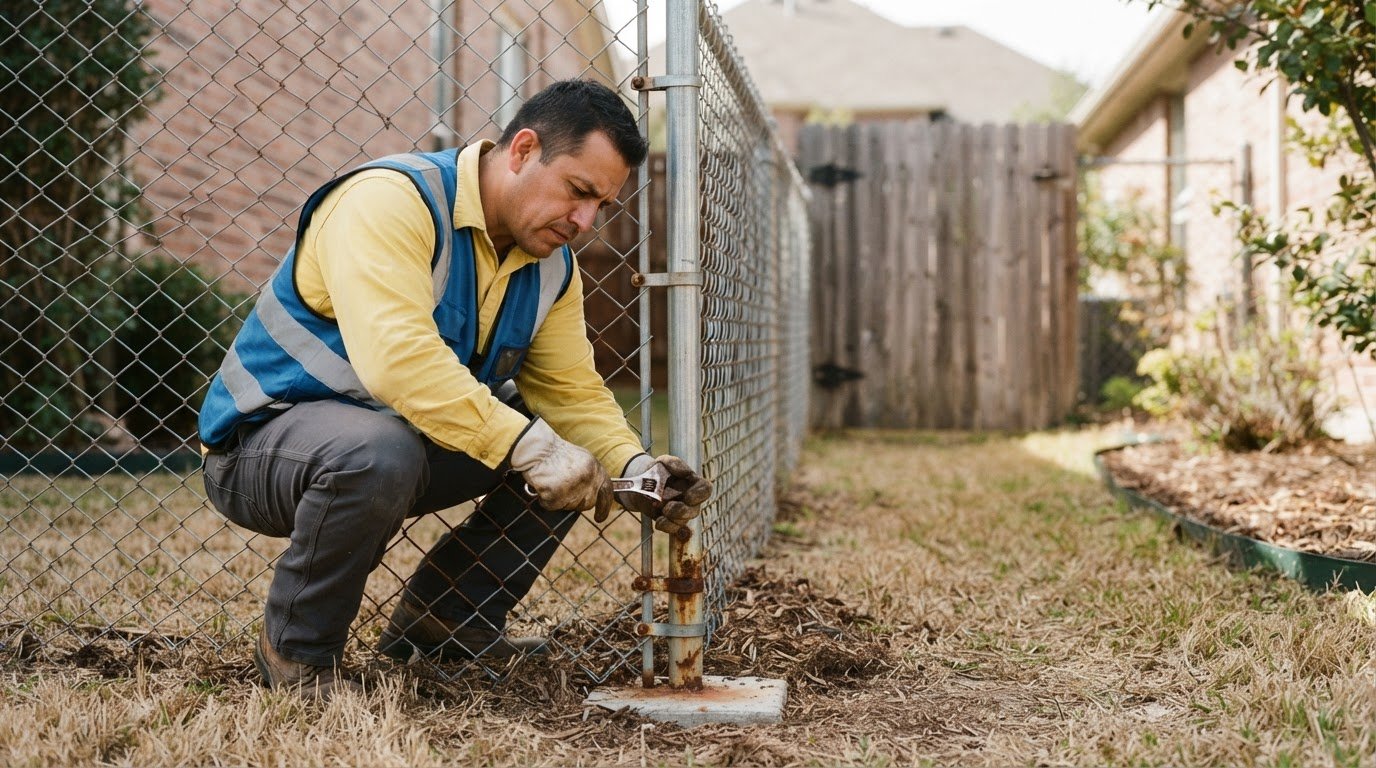
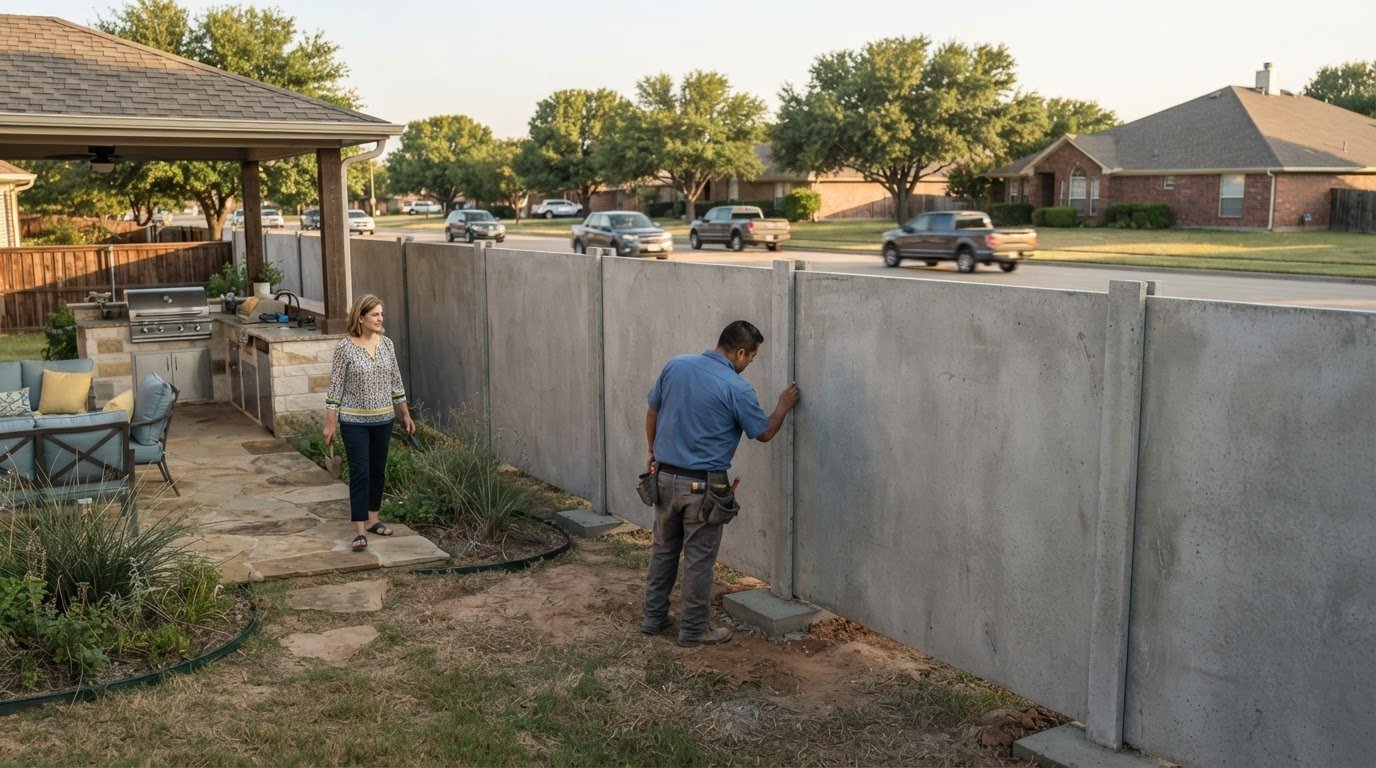
Bring in The Martinez Company when you’re ready to shape an idea into a practical project, whether you’re reworking a residential backyard or planning an outdoor area for a commercial property. Fence Installation can help define boundaries and organize how people use the space. Each project starts with the site, its intended use, and the features that matter most to you.
Share your goals and the kind of outdoor space you want to create. Contact The Martinez Company to discuss your project.
Make Your Outdoor Space Work for You
The strongest outdoor living trends for 2026 begin with a personal decision: how do you want your outdoor space to serve your everyday life? Before choosing finishes or features, picture a typical day. Consider where you want to pause, gather, eat, or make room for a new routine. That vision gives each design choice a purpose and helps the finished space feel like a natural extension of home.
Start by identifying what currently limits the yard. Perhaps the layout interrupts movement, the space lacks a defined gathering area, or it doesn’t support how you want to spend time outside. Setting a clear priority turns inspiration into a practical direction for planning and construction.
The Martinez Company can help move that direction from idea to built project. Explore your next outdoor project, and take the first step toward a space shaped around the way you live.
Frequently Asked Questions
What are the top outdoor living trends for 2026 in the United States?
The defining outdoor living trends for 2026 include yards planned for several activities, nature-led design, and more inviting entertainment areas. A useful way to apply them is to choose one priority, such as dining outside, then build supporting features around it. For example, connect a dining spot to a shaded lounge area while keeping a clear path back indoors.
Which outdoor living design styles, colors, and materials are gaining popularity in 2026?
Earth-inspired design is gaining attention, with moss green and neutral tones paired with natural-looking materials. For a distinctive but cohesive result, choose one main surface, such as stone, and introduce wood or woven rattan in smaller details. Porcelain with subtle movement can bridge these textures. Repeat a finish in multiple areas, such as a path and seating zone, to create visual continuity.
What outdoor furniture and decor trends are expected in 2026?
Outdoor rugs and dark cushions are drawing more interest: searches for rugs rose 10% from twelve months ago, while black cushions increased 20% over the past twelve months. Use a rug to visually anchor a seating group, then add dark cushions as accents rather than making every surface dark. Searches for outdoor walkways also increased 14% over the past twelve months, highlighting the value of connecting decor zones with clear routes.
What should homeowners consider when planning an outdoor living space for their local climate?
Observe where the yard gets direct sun, where wind gathers, and which areas stay wet after rain. These patterns help determine where to place seating, shade, and walking routes. Choose materials suited to local conditions, then consider how the space will be used in different weather. For example, place the main gathering area under effective shade and keep frequently used paths easy to access.
Comments