
How to Choose a Privacy Fence Height by Material and Local Rules
A taller fence isn’t automatically the best choice for privacy. Six feet is a common backyard height and can block direct views. An eight-foot fence may offer more screening when neighboring properties sit higher or decks overlook your yard. Choosing the right fence height for privacy also means considering the material, slope, and local rules.
It makes sense to want a fence that screens your outdoor space without making the yard feel closed in. The right height depends on where you need privacy, what you want the fence to do, and how its material and layout will affect the finished result.
This guide explains how common fence heights serve different purposes, how wood, vinyl, and other materials affect privacy, and how a sloped yard can change the view from either side. You’ll also learn why checking local height and permit rules matters before finalizing a design, so your fence can suit your home and priorities.
Table of Contents
How Does a Sloped Yard Affect Fence Height?
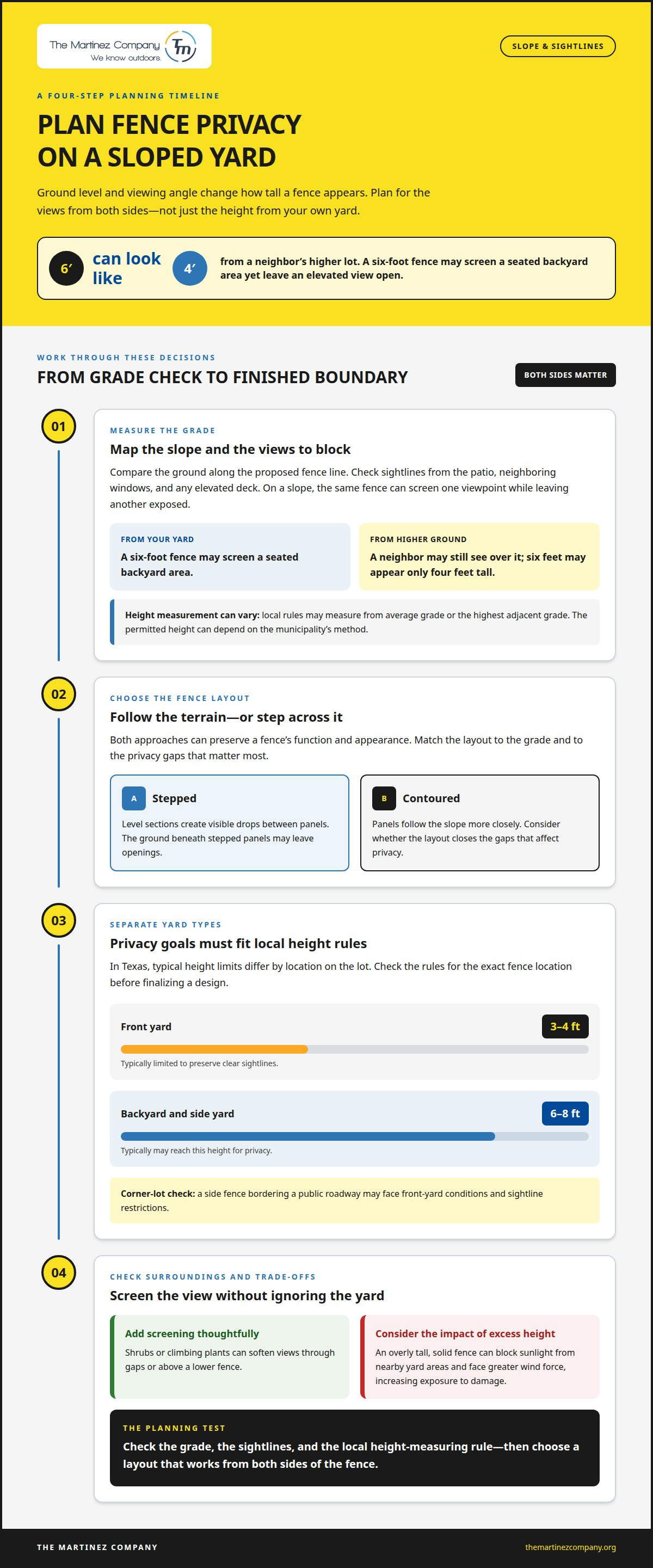
On a sloped lot, a fence’s apparent height changes with the ground and viewing angle. A fence that measures six feet from one yard may appear only four feet tall to a neighbor whose lot sits higher. Plan for privacy and sightlines on both sides.
Measure the grade and identify the views to block. Compare the ground along the proposed line, then consider sightlines from the patio, neighboring windows, and any elevated deck. On a slope, a six-foot fence may screen a seated backyard area but leave a higher neighbor’s view open. Local rules may measure height from average grade or the highest adjacent grade, so the permitted height can depend on the municipality’s method.
Choose a layout that follows the terrain. Stepped fencing uses level sections with visible drops between them; contoured fencing follows the slope more closely. Either approach can preserve the fence’s function and appearance, but the ground beneath stepped panels may leave openings. Match the layout to the yard’s grade and the privacy gaps that matter most.
Separate front-yard rules from backyard goals. In Texas, front-yard fences are typically limited to three to four feet to preserve clear sightlines. Backyard and side-yard fences typically may reach six to eight feet for privacy. A six-foot backyard fence can block direct views at similar ground levels, while a higher neighboring lot may still overlook it.
Account for corner lots and surrounding plants. A side fence bordering a public roadway on a corner lot may face front-yard conditions and sightline restrictions. Landscaping can add screening without raising the fence: place shrubs or climbing plants where they soften views through gaps or above a lower fence. An overly tall, solid fence can block sunlight from nearby yard areas and face greater wind force, increasing exposure to damage.
Local fence-height regulations and permit requirements
Fence rules depend on the property’s municipality, zoning, and location on the lot. Check height, placement, and permit requirements separately before finalizing a design.
Have a Professional Check Local Zoning and Municipal RulesHave the installation professional identify the zoning district and the fence’s proposed location, then compare them with municipal codes and permit requirements. Rules can distinguish front yards from side and backyard areas, and a corner lot may face added visibility restrictions. In Texas, backyard and side-yard fences typically may reach six to eight feet, while front-yard fences are typically limited to three to four feet.
Have a Professional Confirm HOA Rules and EnforcementAccount for applicable homeowners association (HOA) guidelines as well as city rules. HOA requirements can affect permitted height and placement, while municipal requirements may address zoning approval or permits. These are separate layers: satisfying one doesn’t automatically satisfy the other. A tall fence designed to block views may still need a different height or location to meet both sets of requirements.
Match the permit process to the location. Permit rules vary: some municipalities require permits above a set height, while others require approval for any fence. Raleigh generally requires zoning approval for residential fence installation. In Charlotte, fences and walls along city-maintained streets have a fence-and-wall certificate process. Virginia Beach has conditional building-permit exemptions for certain residential fences up to four feet in front yards and eight feet elsewhere.For the proposed design, have the professional establish which local rules apply before installation proceeds. This keeps the planned height, placement, and visibility considerations aligned with the property’s requirements. A professionally planned fence installation can carry those decisions from design into a finished boundary.
Does Fence Material Affect Your Privacy?
Yes. Material and panel design determine how much a fence blocks the view, and the same height can feel either open or enclosed.
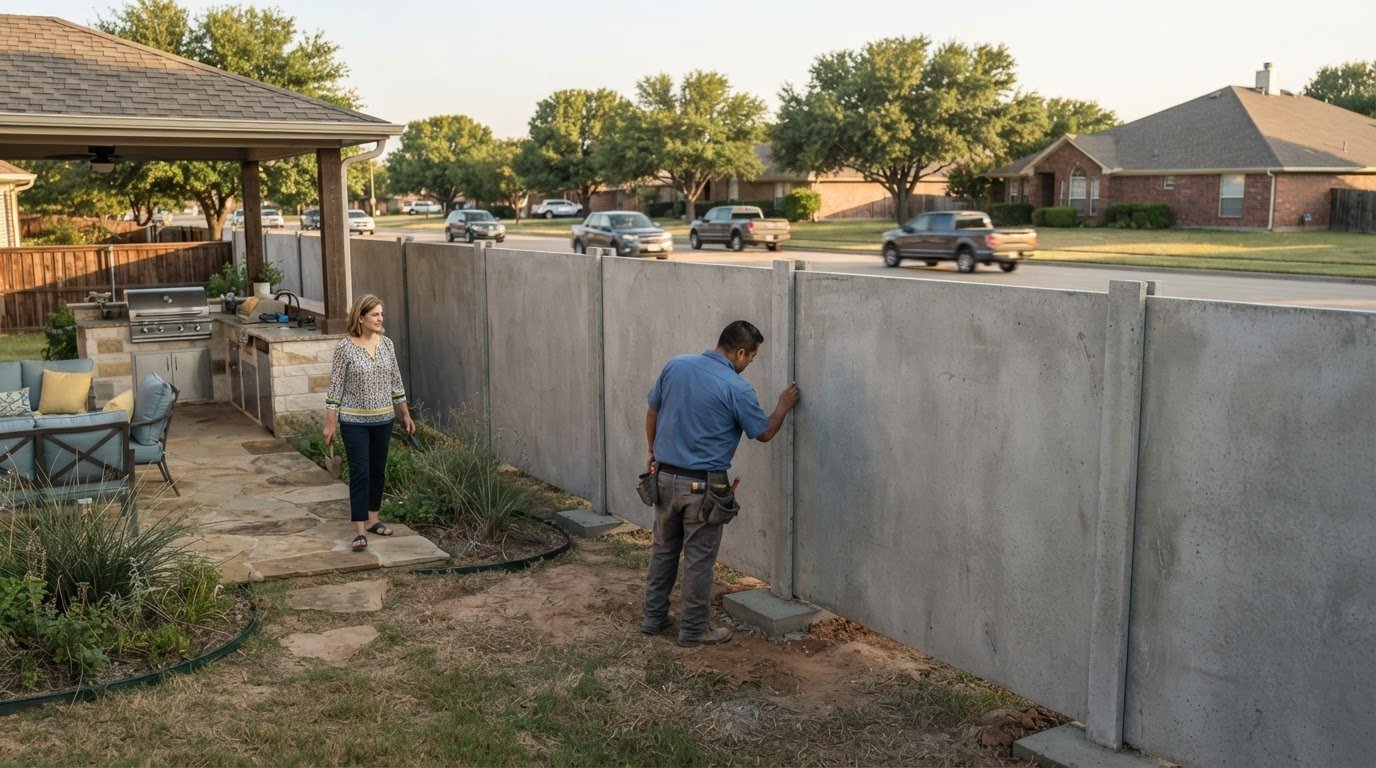
Have a Professional Compare Privacy by Material and Panel DesignCompare solid panels with designs that leave gaps. Closely fitted wood, vinyl, or PVC panels can create a continuous visual screen. Wood also allows more flexibility in specifying an exact height than vinyl or composite. Chain-link defines boundaries but leaves views open unless you add slats or privacy screening.
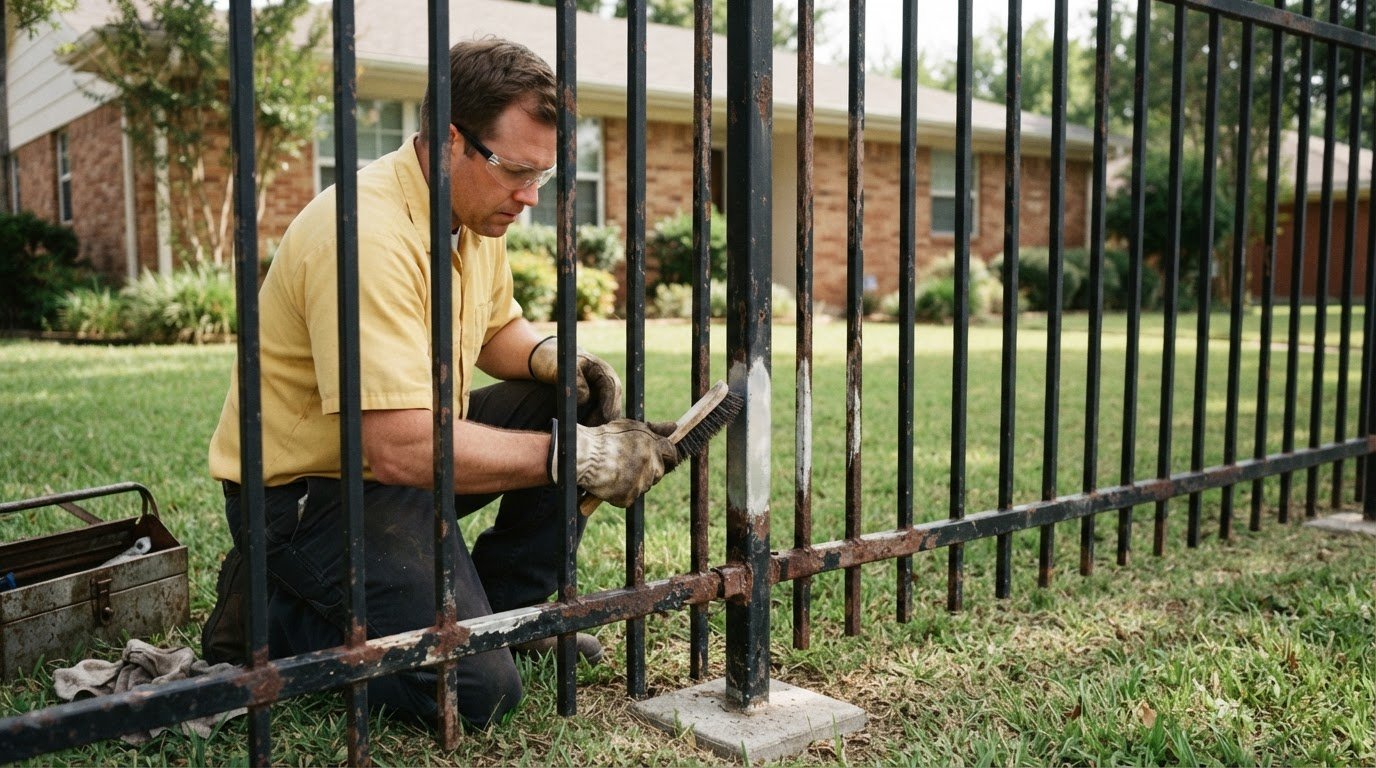
Have a Professional Assess Perceived Height and MaintenanceReview the fence from the patio, windows, and property perimeter, not only from the installation side. Solid panels can feel more imposing than open metalwork at the same height. Consider how each material’s maintenance needs and condition may affect its appearance and screening over time, then choose a design that suits the upkeep you expect.
Match the material to the purpose. For backyard privacy, continuous wood or vinyl panels block direct views more effectively than open pickets or standard chain-link. Chain-link with slats or screening can improve privacy while retaining boundary control. Metal fencing can define a perimeter, but an open design won’t provide the same visual barrier as solid panels.
Balance screening with restrictions and sightlines. A solid, difficult-to-climb fence can offer more protection than a taller fence made from flimsy material. On corner lots, the panel design must still meet applicable visibility restrictions and zoning requirements. Compare views from both sides before settling on a design: blocking every sightline may not suit every part of the yard.
Common residential fence heights and their uses
Choose a height based on the view you want to screen, the yard’s purpose, and how open you want the space to feel. A six-foot fence can block ground-level views; an eight-foot fence adds screening when neighboring properties sit higher or decks overlook the yard.
Have a Professional Match Common Fence Heights to Their UsesA three-to-four-foot fence can suit ornamental borders, front yards, or boundaries where open street views matter. A four-to-five-foot design offers more separation while keeping a less enclosed feel. For backyard seclusion, homeowners commonly choose six feet. Consider how you’ll use the area, whether for dining, play, or relaxing, and whether the fence should define the space or block sightlines.
Have a Professional Compare Privacy from Six-Foot and Eight-Foot FencesCompare actual views from patios, neighboring windows, and elevated decks. At similar elevations, a solid six-foot fence typically blocks ground-level sightlines. An eight-foot fence can provide more screening when a neighboring property sits higher or a deck overlooks the yard. The extra height may also make the yard feel more enclosed, so weigh seclusion against openness.
Use the height that fits the purpose. A five-foot fence can offer more screening than a four-foot fence without the enclosure of a six-foot option. Fences seven to eight feet tall can suit greater privacy or security where local rules allow. In a front yard beside a street, a lower ornamental fence can preserve views; a backyard seating area may call for a taller, solid design.
Ready to turn your privacy goals into a measured design? Plan your fence installation around the yard’s use, neighboring sightlines, and desired level of seclusion.
The Martinez Company: Fence Installation
The Martinez Company provides fence installation for residential projects, helping turn privacy goals into a finished boundary suited to the property. When you’re ready to move from comparing heights to planning a build, consider how the fence will work alongside your yard, home, and outdoor living spaces.
Start by identifying the views you want to block, the areas you want to keep open, and your preferred fence material. Share those priorities and the proposed fence location as the project takes shape. The height and design should also suit the property’s slope and local rules, so the finished fence serves its purpose without overlooking practical constraints.
For residential or commercial projects, The Martinez Company provides contracting services that can support the broader construction around an outdoor space. Contact The Martinez Company to discuss your fence installation.
Shape a Fence Around the Life You Want Outdoors
A fence is more than a boundary; it shapes how you use and experience your outdoor space. Before finalizing the design, picture an ordinary day in the yard: where you sit, what you want screened, and how the fence should relate to your home. That perspective turns choosing the right fence height for privacy into a design decision grounded in daily life.
Discuss those priorities before installation begins. A clear brief helps align the fence’s purpose, appearance, and placement, so the finished structure feels intentional rather than like an afterthought. Consider how you may use the space in the future, too. The fence should work with gates, paths, and transitions between outdoor areas, not just mark a property line.
Move from idea to a considered project with Contact The Martinez Company for fence advice. Start with the result you want and let that guide the next step. Build a boundary that makes your outdoor space feel more like home.
Frequently Asked Questions
Is a 6-Foot Fence Tall Enough for Privacy?
Often, yes, for ground-level views from neighboring yards at a similar elevation. A six-foot fence may screen less if nearby homes or decks sit higher, or if the yard slopes downward. To choose the right fence height for privacy, start by considering where you’ll sit or spend time outdoors. A solid panel design can block views more effectively than an open design of equal height.
What Is the Standard Height of a Privacy Fence?
Six feet is a common standard for residential backyard privacy. It offers a practical starting point, not a universal rule or a guarantee of seclusion. The right height depends on the intended use, surrounding elevations, fence material, and local requirements. For example, a yard overlooked from an upper deck may need a different design from a level yard bordered by neighboring ground-level spaces.
What fence heights are most common for backyard privacy?
Homeowners commonly choose fences around six feet high for backyard privacy, while local rules may allow taller options. A five-foot fence can be a middle ground if you want more screening but prefer a less enclosed feel. Choose based on how you use the yard, such as for dining or relaxing, and the specific views you want screened, not height alone.
How tall should a fence be for privacy from neighbors and passersby?
Choose a height based on the viewing position you want to screen. A six-foot backyard fence can block many ground-level views, while front-yard fences may need to be lower to preserve street visibility. For a neighbor looking down from an elevated deck, added height or targeted screening may work better. Local rules and fence placement still shape the design.
What are the typical costs of 6-foot and 8-foot privacy fences?
There isn’t one typical price that applies to both fence heights. The project price depends on the fence’s length, material, layout, site conditions, and structural needs; taller designs use more material and may require more substantial components. The price depends on the project and is provided after a quote request. Compare the proposed scope and design, not height alone, when reviewing a project estimate.
What local zoning rules and height limits apply to residential fences?
Residential fence rules depend on the municipality, zoning district, and location on the lot. In Texas, backyard and side-yard fences typically may reach six to eight feet, while front-yard fences are typically limited to three to four feet. Choosing the right fence height for privacy also means accounting for location-specific permit requirements and any separate HOA guidelines that may restrict the design or placement.
Comments